Brand Guide
African Cigar Brands: The New Cigar Makers of Africa
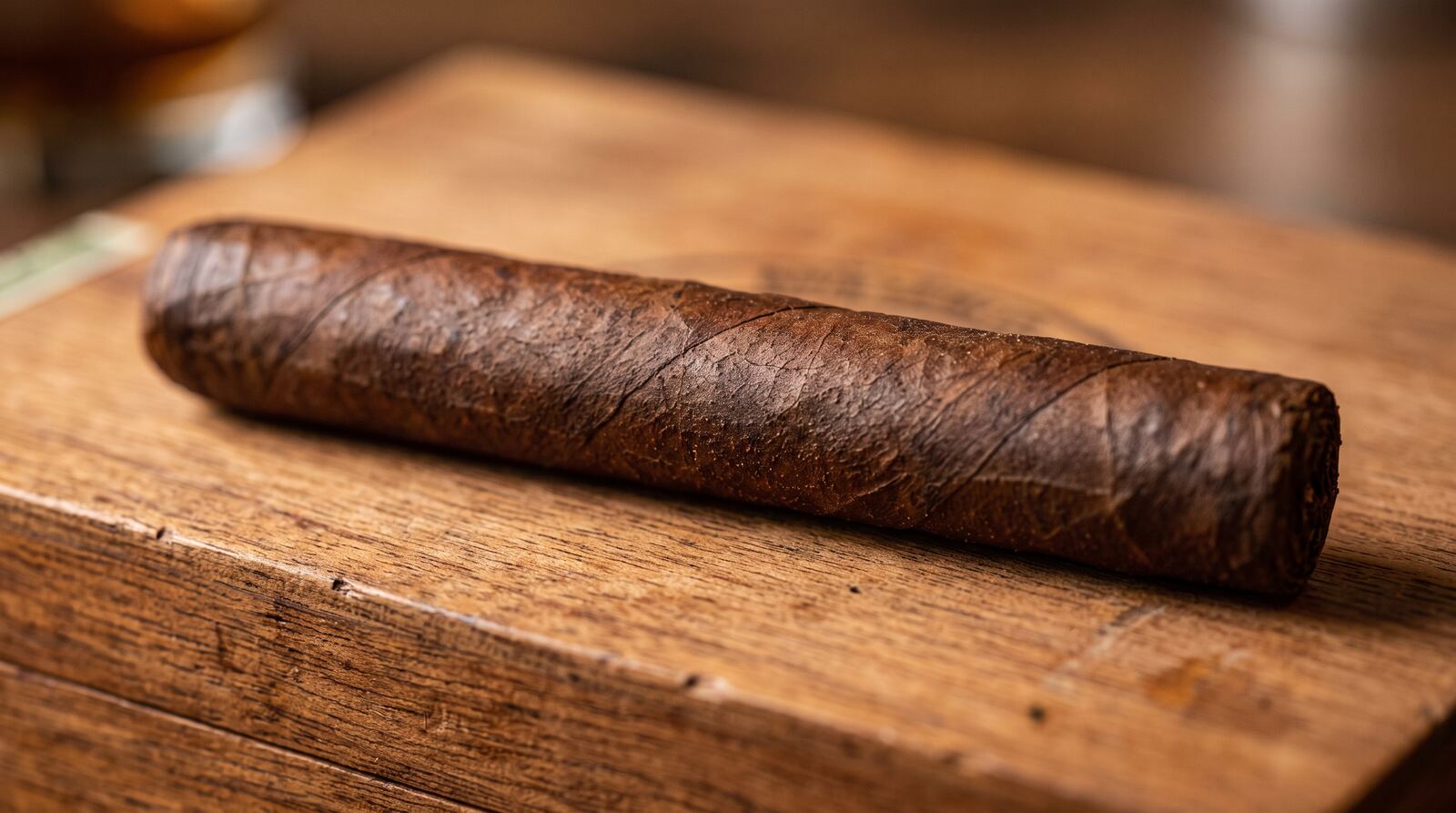
African cigar brands are a recent development: Bongani in Mozambique and Mosi Oa Tunya in Zimbabwe are among the first companies to hand-roll premium cigars on the continent.
Updated · Cigars Africa Editorial Team
Read About Cameroon Wrapper →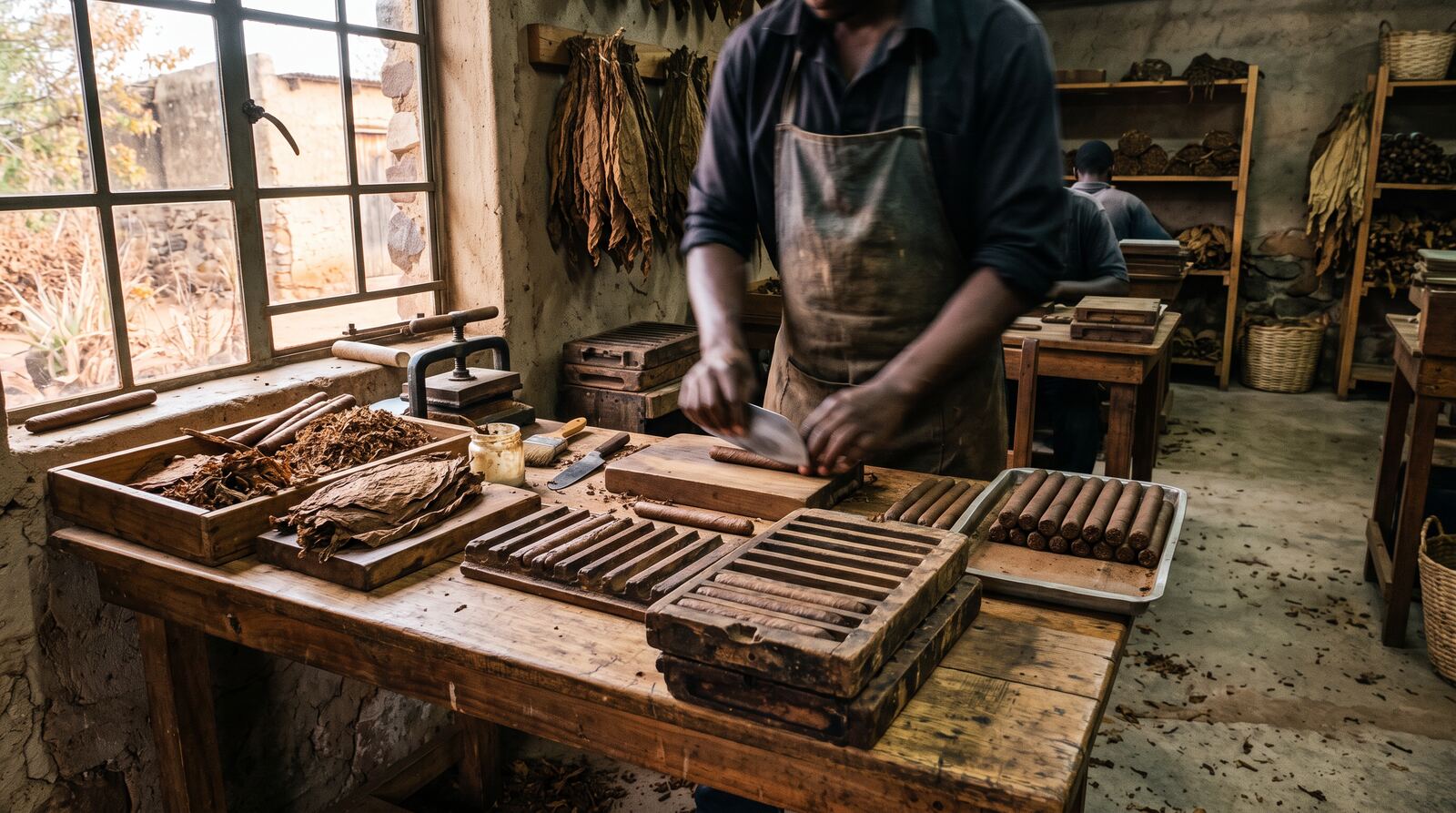
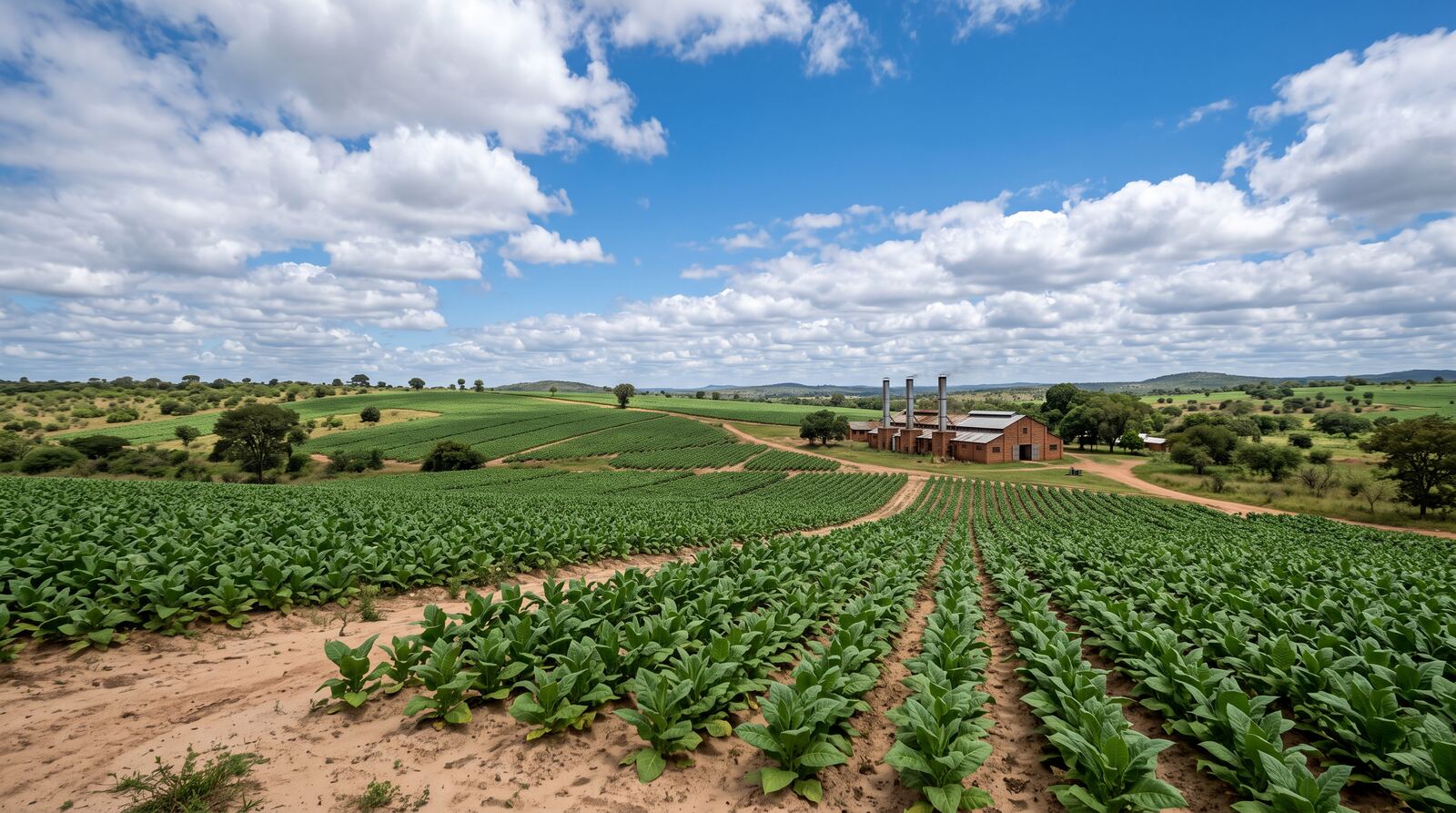
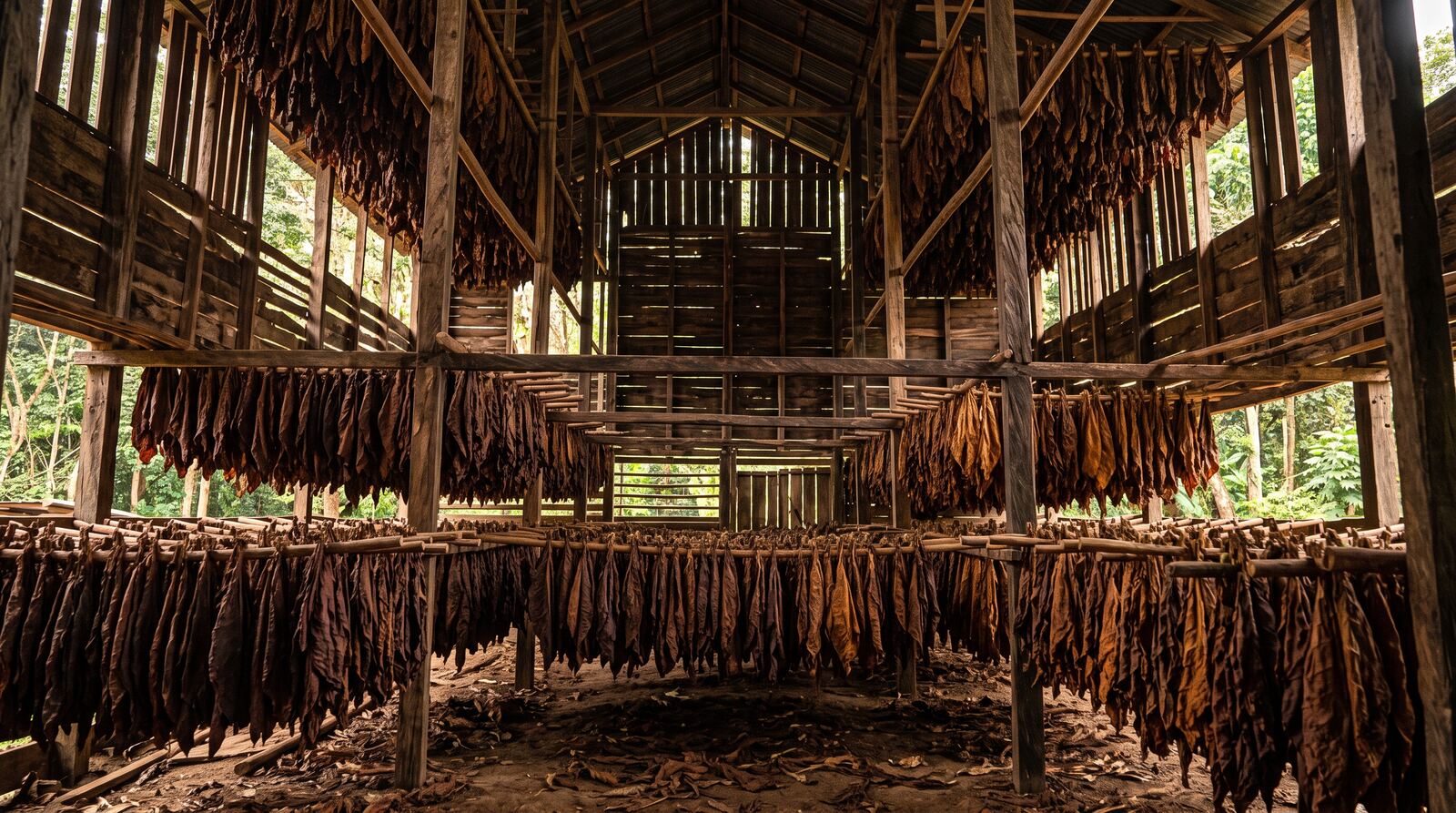
Africa has grown tobacco for centuries, but almost all of it has been exported as raw leaf. Hand-rolled premium cigars, which need skilled rollers, aged tobacco and a patient market, were made elsewhere. In the last decade a handful of entrepreneurs have set out to change that. These are the best-documented African cigar brands.
Shop now (affiliate link, 21+): Arturo Fuente, Partagás and Oliva at Famous Smoke Shop.
Bongani (Mozambique)
Bongani makes hand-rolled cigars in Maputo, the capital of Mozambique. Founder Kamal Moukheiber, a former financier, says the idea came to him in Mozambique in 2013. With no local cigar-rolling tradition to draw on, he brought in expert rollers from the Dominican Republic to train a local team; the first group of Mozambican rollers graduated in 2017 and has since trained a second generation.
Bongani sources leaf from leading African growing regions, including Cameroon, and from other countries. Its cigars are generally described as medium to medium-plus in strength and easy to smoke. The brand presents itself as Africa's first premium cigar brand and is sold in around a dozen countries.
Mosi Oa Tunya (Zimbabwe)
Mosi Oa Tunya opened Zimbabwe's first hand-rolled cigar factory in Harare. The company was founded in 2019 by Shepherd Mafundikwa and Loy Veal and began production in 2020. Its name is the local name for Victoria Falls, usually translated as "the smoke that thunders."
The cigars are made from Zimbabwean leaf, with Dominican and Zimbabwean tobacco experts working together on fermentation and blending. The company's rollers are all women. It launched with three blends, described as light, mild and strong, including mini cigars. For a country that grows hundreds of millions of kilograms of cigarette tobacco a year, it was a first step into finished premium cigars. Read more in Zimbabwe tobacco.
Why Africa Is Starting to Roll Its Own
- Value: a finished cigar is worth far more than the leaf in it, so making cigars locally keeps more income in the country.
- Skills: rollers can be trained in a few years with experienced teachers, as both brands showed by bringing in Dominican experts.
- Story: "made in Africa" gives these cigars a distinct identity in a market dominated by the Caribbean and Central America.
- Local markets: cigar lounges in cities such as Johannesburg, Cape Town, Nairobi and Lagos give African brands a home audience.
Challenges
Young brands face real hurdles: sourcing and aging enough quality tobacco, keeping humidity under control in hot climates, building distribution, and competing with long-established Caribbean names. Export rules, taxes and shipping costs add to the difficulty. Production volumes are small, so the cigars can be hard to find outside their home markets.
African Leaf in Famous Non-African Cigars
Most cigar smokers have smoked African tobacco without knowing it. The Cameroon wrapper on cigars from Arturo Fuente, Oliva and others is grown in Central Africa, then shipped to factories in the Dominican Republic, Nicaragua and elsewhere. Our sister site covers those countries in Nicaraguan cigar brands and Caribbean cigars.
A Note on Buying
We do not sell cigars and have no relationship with these companies. If you want to try an African-made cigar, check the brand's official channels and your local laws. U.S. readers should note that FDA rules apply to cigars imported into the United States.
Where to buy (affiliate link): Shop Cameroon-wrapped brands at Famous Smoke Shop: Arturo Fuente, Partagás and Oliva. Famous Smoke Shop is a licensed U.S. retailer that requires customers to be 21 or older. If you buy through this link we may earn a commission at no extra cost to you. Affiliate disclosure.
Frequently Asked Questions
What is the first African cigar brand?
Bongani of Maputo, Mozambique presents itself as Africa's first premium cigar brand; its first team of local rollers graduated in 2017.
Where are Mosi Oa Tunya cigars made?
In Harare, Zimbabwe, at the country's first hand-rolled cigar factory, which began production in 2020.
What does Mosi Oa Tunya mean?
It is the local name for Victoria Falls, usually translated as "the smoke that thunders."
Who trained Africa's first cigar rollers?
Both Bongani and Mosi Oa Tunya worked with tobacco experts from the Dominican Republic.
Are African cigars made with African tobacco?
Mosi Oa Tunya uses Zimbabwean leaf; Bongani sources from African regions such as Cameroon and from other countries.