Wrapper Guide
Cameroon Wrapper: The Story of Africa's Famous Cigar Leaf
Cameroon wrapper is a sun-grown cigar wrapper leaf from eastern Cameroon and the western Central African Republic, prized for its thin, oily, "toothy" texture and a sweet, spicy flavor.
Updated · Cigars Africa Editorial Team
See African Cigar Brands →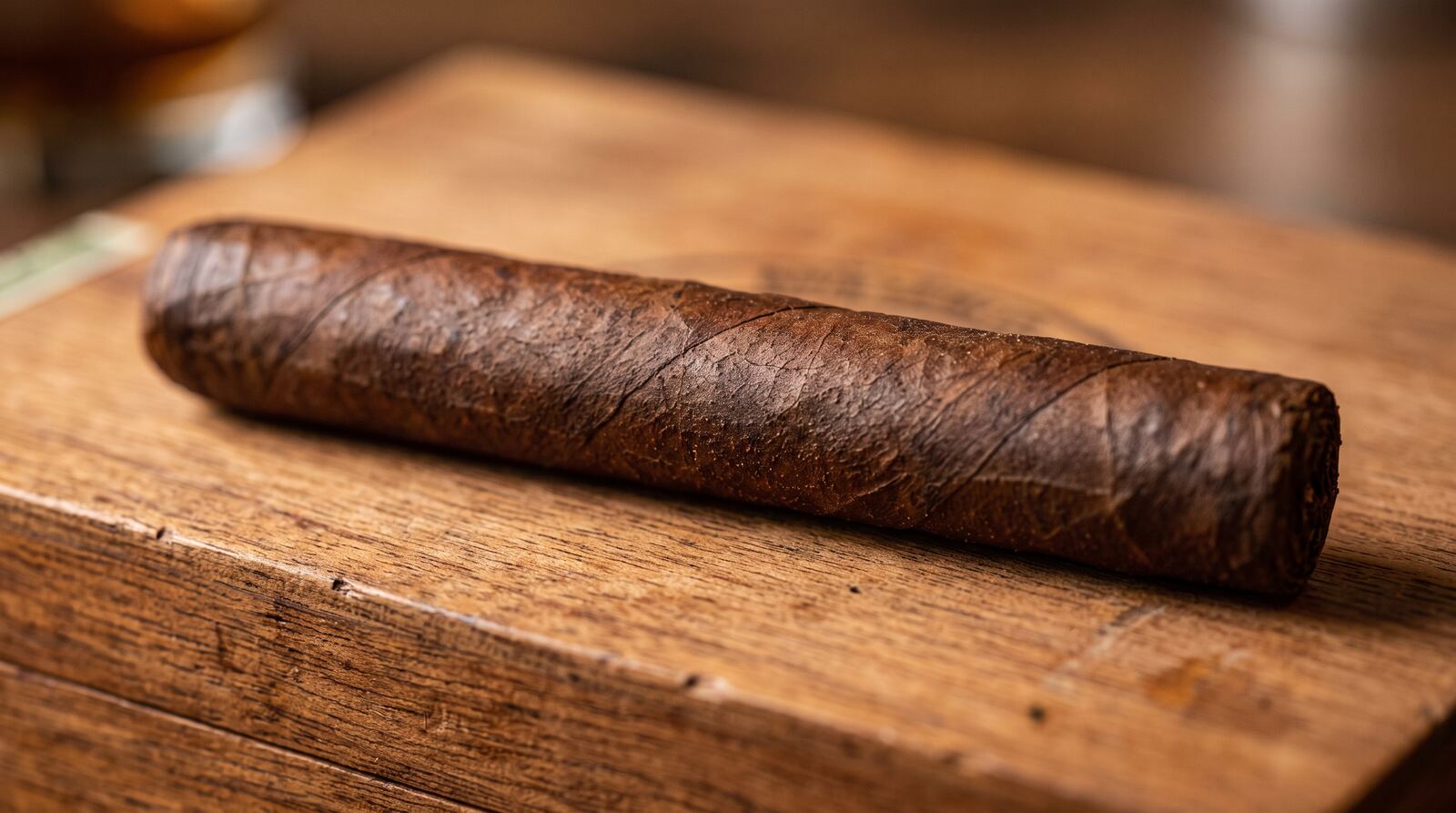
Few wrapper leaves have a reputation as distinctive as Cameroon. Cigar makers prize it for flavor and appearance, smokers recognize its bumpy texture and reddish-brown shine, and supply has been scarce for most of its history. Here is what it is, where it comes from, and how it reached the world's cigar factories.
Shop now (affiliate link, 21+): Arturo Fuente, Partagás and Oliva at Famous Smoke Shop.
Where Cameroon Wrapper Is Grown
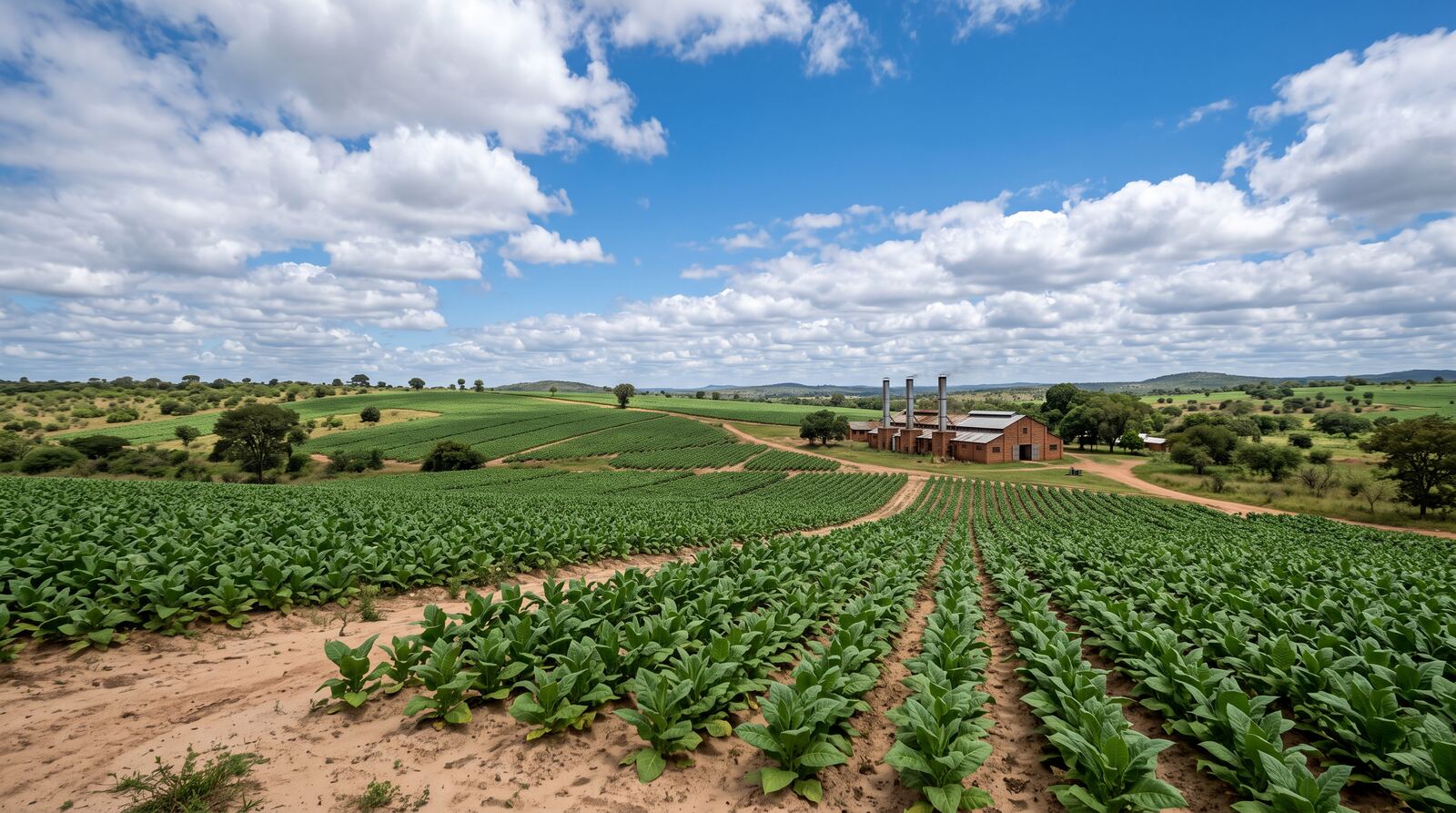
Despite the name, much of the leaf sold as "Cameroon" is grown across the border in the Central African Republic. The growing belt runs from eastern Cameroon, around towns such as Batouri, into the western CAR near Berberati and Gamboula. Tobacco educators often call it "Central African" tobacco for that reason. The fields sit in isolated clearings in rainforest and hill country, far from paved roads.
Sumatra Seed, African Sun
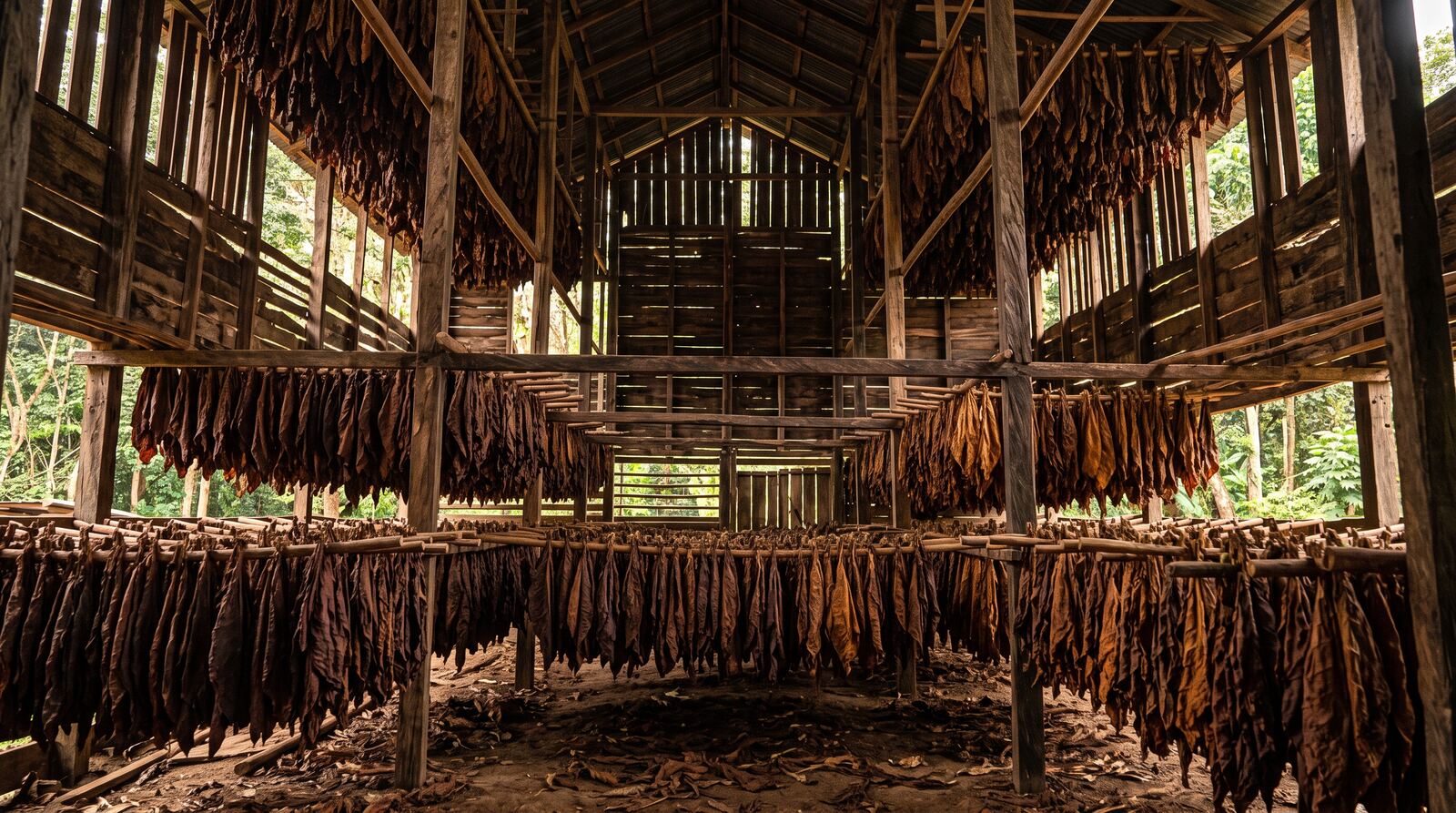
Cameroon tobacco descends from Sumatra seed brought to the region in the colonial era. Unlike Connecticut shade or most Cuban wrapper, it is grown in full sun without shade cloth. The region's frequent cloud cover filters the light naturally, giving thin, even leaves. Growers describe the soil as rich enough to need little or no fertilizer. Planting, priming and sorting are done by hand.
The French Era
Commercial cultivation for export was organized by the French tobacco monopoly SEITA, which sent specialists to Cameroon in the late 1950s. Through the 1960s and 1970s, Central African wrapper became the backbone of many popular American cigars. It was sold in Paris through a silent bidding system: buyers bid on bales stored in Le Havre, often without inspecting the leaf. As quality became uneven and the system grew harder to work with, major buyers drifted away, and in 1993 the French withdrew from Central African tobacco.
The Meerapfel Family
The crop survived largely thanks to the Meerapfel family, a leaf-dealing firm with roots in Germany and a long history in Cuban and Sumatran tobacco. Rick Meerapfel began financing Central African crops around 1990 and helped found CETAC, a company partly owned by Central African shareholders, to grow and process wrapper for premium cigars. In the late 1990s CETAC worked with roughly 3,000 small farmers, most tending one or two acres. Meerapfel died in 2003, and his family continues the business.
Why Cameroon Is Scarce
- Remote fields: trips between farms and processing plants can take many hours on dirt roads.
- Political instability: unrest in the Central African Republic has repeatedly disrupted farming and transport.
- Small, delicate leaves: traditionally Cameroon leaves were small, limiting them to thinner cigars, though larger leaves are now grown.
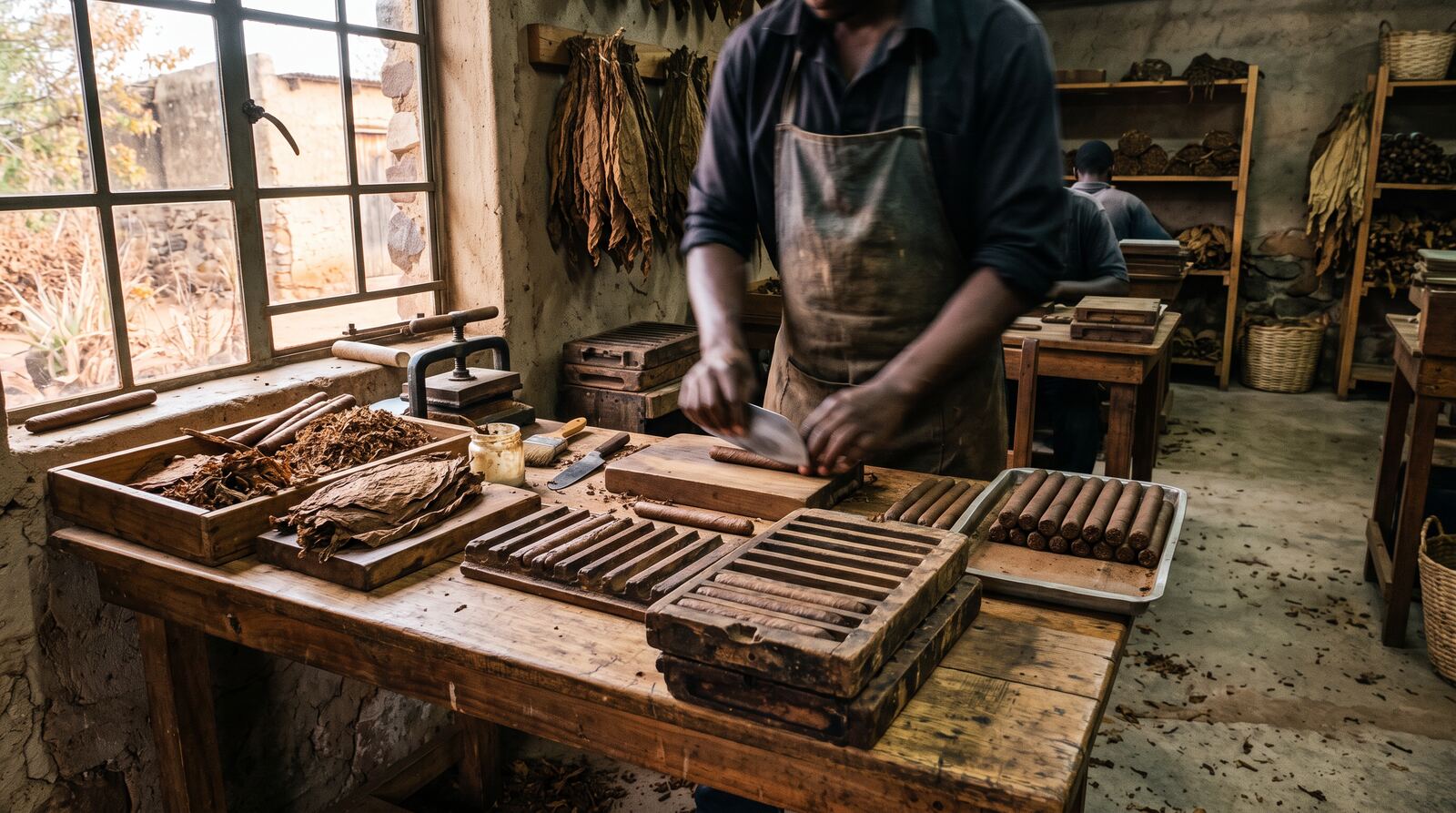
- Hand labor: every stage depends on skilled manual work.
What Cameroon Wrapper Tastes Like
Cameroon is usually described as sweet and spicy, with notes of cedar, nuts, cinnamon and a light pepper. Its natural oils give it a soft sheen and a grainy, "toothy" surface. Because the leaf is thin, it rarely dominates a blend; instead it adds aroma and sweetness to milder fillers. It is not normally used as a maduro wrapper.
Cigars Known for Cameroon Wrapper
| Cigar | Maker | Notes |
|---|---|---|
| Hemingway series | Arturo Fuente | Perfecto shapes; the best-known Cameroon cigars |
| Don Carlos | Arturo Fuente | Medium-bodied, refined |
| Partagás (Dominican) | General Cigar | A long-time Cameroon user |
| Serie G | Oliva | A sweet, approachable introduction |
Availability changes from year to year, so check current releases. For how wrapper is fermented and sorted, see our sister site's guide to cigar fermentation and aging.
Cameroon vs. Sumatra
Both leaves share Sumatran ancestry, but they taste different. Indonesian Sumatra wrapper, grown in Sumatra and Java, is usually drier and more earthy, while Cameroon is oilier and sweeter. Learn about the Indonesian side of the family at Cigars Indonesia, and compare it with Dutch-style cigars at what is a Dutch cigar.
Where to buy (affiliate link): Shop Cameroon-wrapped brands at Famous Smoke Shop: Arturo Fuente, Partagás and Oliva. Famous Smoke Shop is a licensed U.S. retailer that requires customers to be 21 or older. If you buy through this link we may earn a commission at no extra cost to you. Affiliate disclosure.
Frequently Asked Questions
Where does Cameroon wrapper come from?
From a growing belt in eastern Cameroon and the western Central African Republic; much of the leaf sold as Cameroon is actually grown in the CAR.
Is Cameroon wrapper shade-grown?
No. It is grown in full sun; the region's frequent cloud cover filters the light naturally.
What does Cameroon wrapper taste like?
Sweet and spicy, with cedar, nut and cinnamon notes and a soft, oily, toothy texture.
Why is Cameroon wrapper expensive?
Supply is limited by remote fields, political instability, hand labor and traditionally small leaves.
Which famous cigars use Cameroon wrapper?
The Arturo Fuente Hemingway series and Don Carlos, Dominican Partagás and Oliva Serie G are well-known examples.